

Program Outcomes (POs)
Our graduates have attained the following outcomes:
- an ability to apply knowledge of mathematics, science, and engineering,
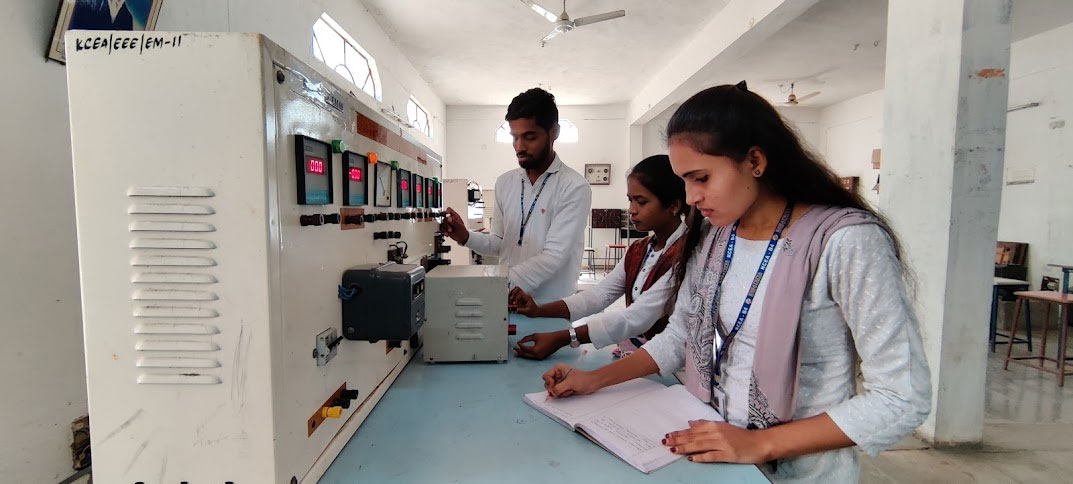
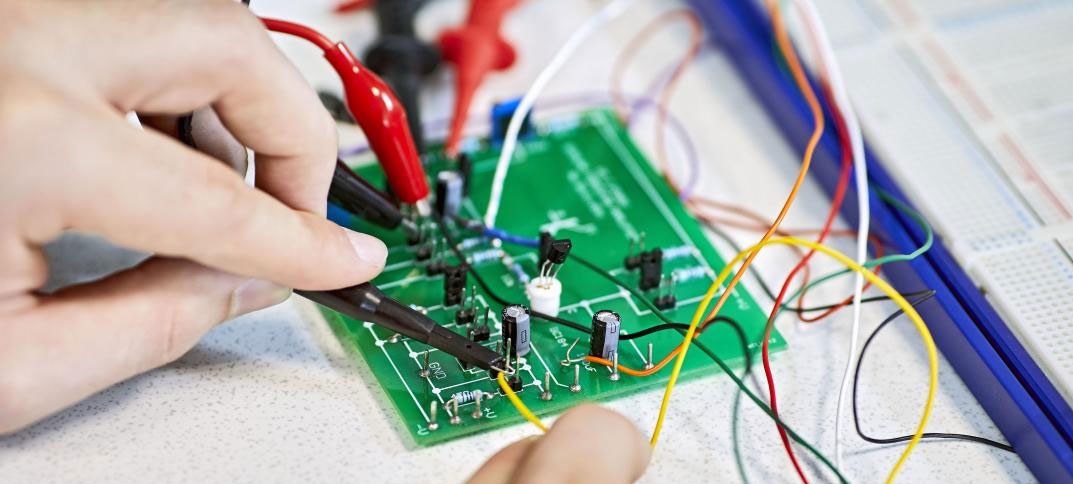
- an ability to design and conduct experiments, as well as to analyze and interpret data,
- an ability to design a system, component, or process to meet desired needs within realistic, constraints such as economic, environmental, social, political, ethical, health and safety, manufacturability, and sustainability,
- an ability to function on multidisciplinary teams,
- an ability to identify, formulate, and solve engineering problems,
- an understanding of professional and ethical responsibility,
- an ability to communicate effectively,
- the broad education necessary to understand the impact of engineering solutions in a global, economic, environmental, and societal context,
- a recognition of the need for, and an ability to engage in life-long learning,
- a knowledge of contemporary issues, and an ability to use the techniques, skills, and modern engineering tools necessary for engineering practice,
- knowledge of principles of operation, design, performance and testing of static and dynamic rotating machines and power electronics based Electric Drives.
knowledge of analysis, operation, control, protection, and simulation of electrical power systems for generation (hydro, thermal, nuclear and new & renewable sources of energy) , transmission, distribution and utilization.